Key Considerations for Using CPF Savings to Buy a Home After 55
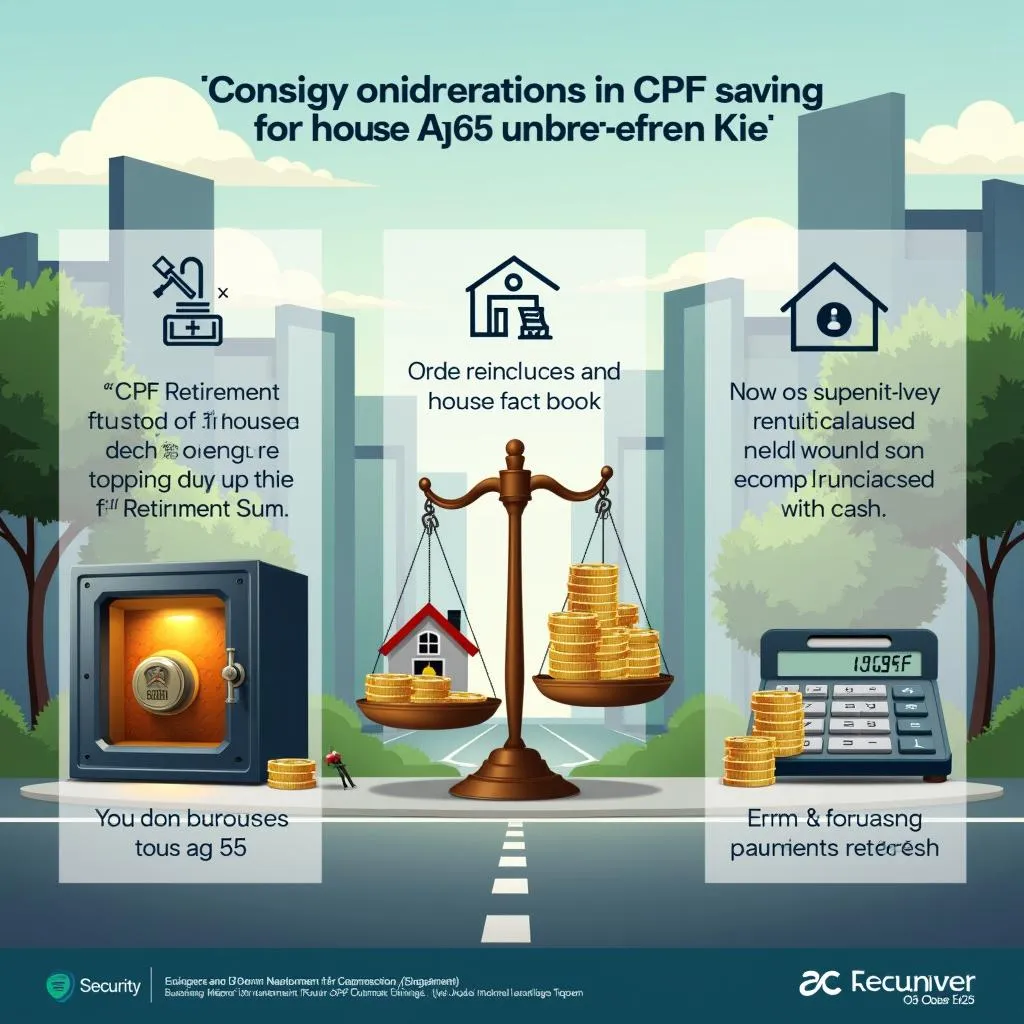
Hey there! If you’re 55 or older and thinking of using your CPF savings to buy a home, there are some important things you should keep in mind. Managing your CPF at this stage isn’t just about buying a roof over your head—it’s also about securing your retirement. So, let’s break down the three main points you need to consider when planning to use your CPF savings for housing after 55.
1. Keep an Eye on Your Retirement Planning
First off, remember that your retirement is just around the corner. The choices you make today about your home can directly impact your financial comfort in the future. Your CPF savings aren’t unlimited, and spending a big chunk on housing might leave you short on funds when you retire.
That said, it’s super important to be practical and choose a home that won’t drain all your CPF savings. Your retirement fund and your housing fund need to be balanced so you won’t be caught off guard later on.
Pro tip: The Home Purchase Planner is a handy tool that factors in your current financial situation and housing plans. It shows you a recommended budget for your new home and gives a sneak peek of how this home purchase will affect your future CPF LIFE payouts. It’s quick, easy to use, and will save you from making costly missteps.
2. Your CPF Housing Refunds Will Top Up Your Retirement Account First
Another key thing to understand is what happens if you’re selling an existing property and then buying a new one using CPF savings.
When you sell your home, any CPF savings that were used previously to buy that property have to be refunded. Once the property is sold, these refunds primarily go towards topping up your Retirement Account (RA) until it reaches the Full Retirement Sum (FRS). Think of this as making sure your retirement kitty is pretty secure before your CPF housing money can be used for other things.
Only after your RA is fully topped up will any additional refunds go back into your Ordinary Account (OA), which you can then use to buy another property.
Did you know? You can also consider making a Voluntary Housing Refund. This means using cash to refund the OA savings that went into your previous property, effectively boosting your retirement savings. Doing this reduces the amount of CPF you need to refund when you eventually sell your property, meaning you’ll get to keep more cash proceeds from the sale because less interest accumulates on a smaller refunded amount. Pretty neat, right?
3. Reduced CPF Contribution Rates Might Mean Paying More Cash for Your Mortgage
Another twist after 55 is that CPF contribution rates generally reduce. More of your CPF contributions will go towards the MediSave Account and Retirement Account, especially if you haven’t met your Full Retirement Sum yet. The result? Less money is allocated into your Ordinary Account.
What does this mean for your home purchase?
Since your OA is what you typically use to pay monthly mortgage installments, a lower OA balance means you might have to fork out more from your personal cash to cover mortgage payments. Keep this in mind—it’s better to plan ahead and make sure your monthly cash flow can handle it.
When preparing to get a home loan or buy a property at 55 or beyond, always factor in the reduced CPF contribution rates. If your CPF housing funds aren’t enough to cover the mortgage, you’ll want to have extra savings or cash ready to fill the gap.
Using CPF Savings for Housing at Age 55 and Beyond
To sum up, your CPF savings can definitely help you purchase a home after you turn 55, but keep these three things in focus:
- Your housing refunds will first ensure you have a solid retirement fund.
- You might need to supplement your mortgage payments with cash due to reduced OA contributions.
- Always plan for your retirement alongside your housing needs—don’t put all your eggs in one basket.
It’s also a good idea to stay updated with any changes or new policies from the CPF Board. They often release guidelines and tools that help retirees make the most out of their savings. Before making any big decisions, make sure you check out resources tailored to retirees so you’re well-informed.
Happy house hunting and here’s to a comfortable retirement ahead!